
Wire-Brushed vs. Smooth vs. Hand-Scraped Oak Engineered Flooring — Which Texture Lasts Longer?
The surface texture of your oak engineered wood flooring affects more than looks. It determines how well the floor hides daily wear, how easy it is to clean, and even how slippery it feels.
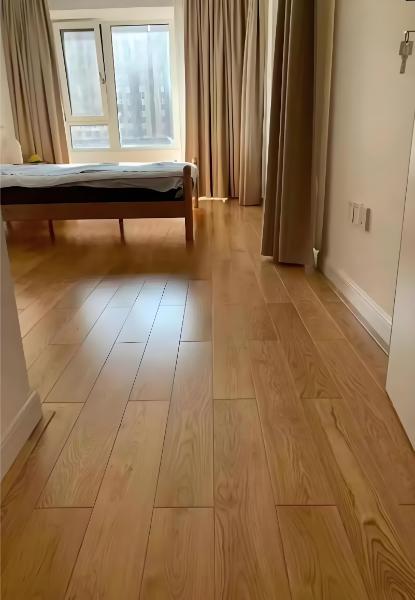
Wire-brushed oak engineered flooring
A wire brush removes the soft springwood from the oak grain, leaving the harder summerwood slightly raised.
-
Pros – Excellent at hiding scratches and pet claws. Feels grippy under socks. Low sheen doesn’t show dust.
-
Cons – Dirt can lodge in the grain lines. Requires a soft-bristle brush for deep cleaning.
-
Best for – Families with kids and dogs, rustic or coastal styles.
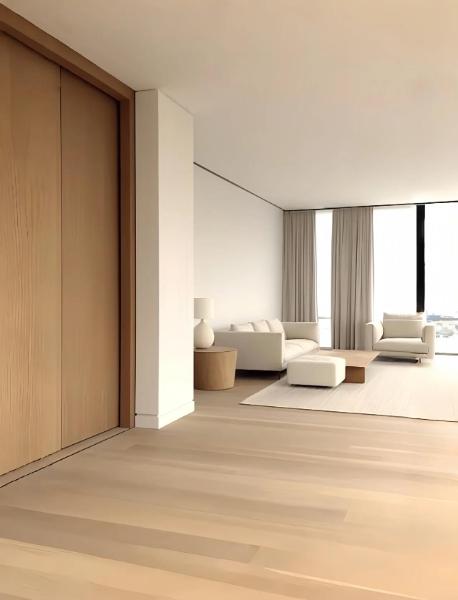
Smooth oak engineered flooring
Sanded perfectly flat with a closed-pore finish.
-
Pros – Easiest to mop and sweep. Looks formal and elegant. Reflects light well (good for dark rooms).
-
Cons – Every scratch, dust bunny, and footprint shows instantly. Can feel slippery when wet.
-
Best for – Formal living rooms, home offices, adult-only households.
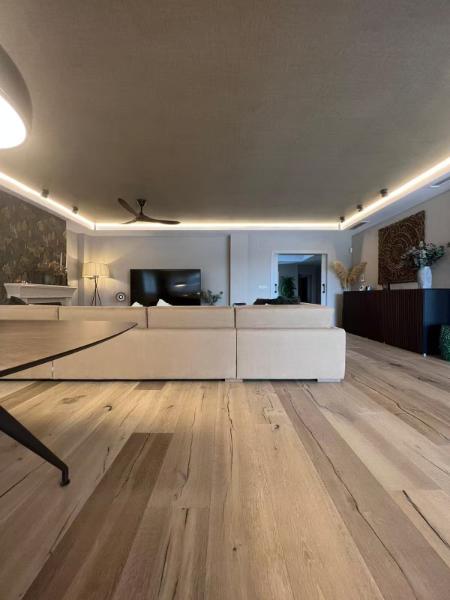
Hand-scraped oak engineered flooring
Artificially distressed with random dents, bevels, and undulations.
-
Pros – Virtually scratch-proof (scars blend into the existing texture). Old-world character.
-
Cons – Expensive (adds 30–50% cost). Difficult to refinish later. Can feel wavy under rolling chairs.
-
Best for – Historic homes, rustic cabins, mountain lodges.
Durability verdict
Wire-brushed oak engineered flooring offers the best balance. It hides daily wear, costs less than hand-scraped, and cleans more easily than deep-grooved hand-scraped planks.
Call to Action: See the difference for yourself — order a sample set of wire-brushed, smooth, and hand-scraped oak engineered flooring.